
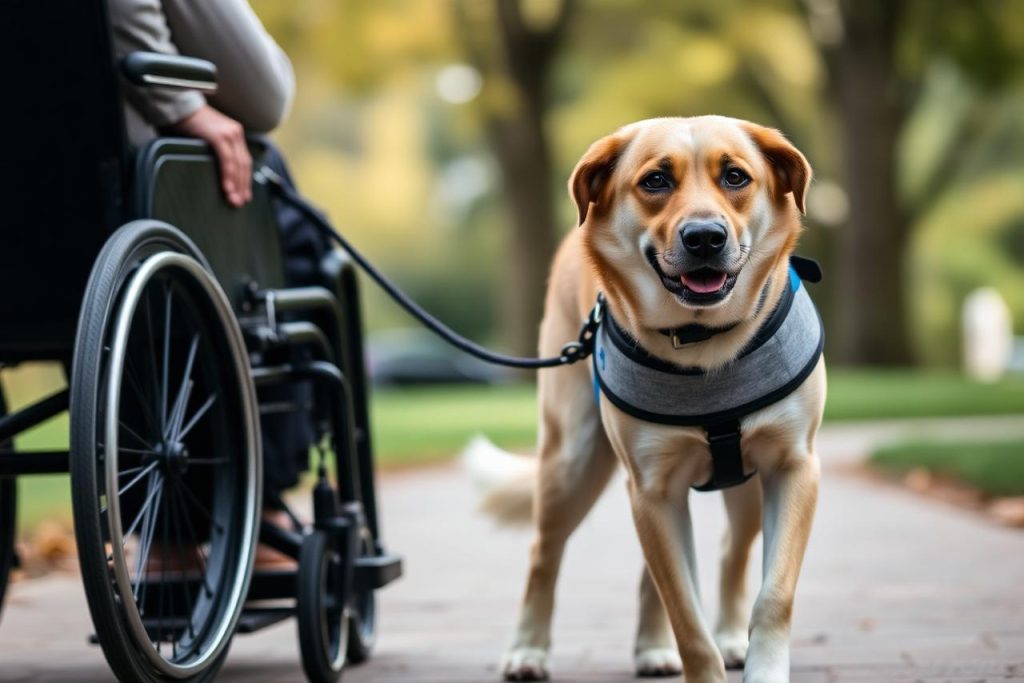
Service dog training plays a powerful role in improving the lives of both dogs and their owners. These specially trained dogs are not just pets—they are highly skilled companions that provide essential support to individuals with physical, emotional, or mental health challenges. From guiding people with visual impairments to assisting those with anxiety or mobility issues, service dogs offer life-changing benefits. In this blog, we’ll explore how service dog training can make a meaningful difference and why it is so valuable.
One of the most important benefits of service dog training is increased independence. For individuals living with disabilities, everyday tasks can be difficult without assistance. A properly trained service dog can perform specific tasks such as opening doors, picking up dropped items, or alerting their owner to sounds like doorbells or alarms. This level of support allows individuals to carry out daily activities with greater ease and confidence, reducing their reliance on others.
Another major advantage is emotional and mental health support. Service dogs are often trained to assist people dealing with conditions such as anxiety, depression, or post-traumatic stress. These dogs can recognize signs of emotional distress and respond by providing comfort, creating a calming presence during stressful moments. Their companionship can significantly reduce feelings of loneliness and improve overall mental well-being. Simply having a loyal and responsive companion by their side can bring a sense of security and peace.
Service dog training also enhances safety. For example, dogs trained to assist individuals with medical conditions can detect early warning signs of seizures or low blood sugar levels. In such situations, they can alert their owner or even seek help from others. This ability can be life-saving and provides an extra layer of protection in emergency situations. Knowing that a trained dog is always watching out for them gives owners a greater sense of reassurance.
In addition to practical and emotional benefits, service dog training strengthens the bond between the dog and its handler. The training process involves consistent communication, trust, and positive reinforcement. As a result, the dog becomes highly attuned to its owner’s needs and behaviors. This deep connection not only improves the effectiveness of the service dog’s tasks but also creates a meaningful and lasting relationship built on mutual understanding.
Furthermore, service dog training helps dogs develop discipline and purpose. Instead of being untrained or easily distracted, these dogs learn to remain focused, calm, and responsive in various environments. They are exposed to different situations, making them more adaptable and well-behaved in public spaces. This level of training ensures that service dogs can perform their duties reliably without causing disruption.
In conclusion, the benefits of service dog training extend far beyond basic obedience. It empowers individuals with greater independence, provides emotional support, enhances safety, and builds a strong human-animal bond. Service dogs truly transform lives by offering assistance, companionship, and confidence. Investing in proper training not only helps the dog reach its full potential but also creates a positive and lasting impact on the life of its owner. ????